Beneath the Shallows: Delving into the Dark Web Economies
The concealed regions of the internet, often referred to as the darknet, offer a complicated landscape that fascinates both scholars and the inquisitive alike. Although the visible web covers all content most users engage with daily, the dark web operates outside of conventional search engines, cloaked in levels of coding and anonymity. This secrecy has created a distinct ecosystem, primarily famous for its clandestine markets where goods from illegal products to private information can be bought and sold.
As we delve deeper into these dark web markets, we discover not just the trades in themselves, but also the societal implications and the measures that law enforcement has taken to fight against illegal conduct. The allure and risk that invade these platforms raise significant questions about privacy, legality, and the ethical dilemmas surrounding the digital age. Comprehending the dynamics at play in these concealed realms is crucial for grasping the broader conversation about safety and liberty in an increasingly interconnected environment.
Grasping the Dark Web
The deep web is a segment of the internet that is not cataloged by traditional search platforms. It is reachable only through specific software, most commonly The Onion Router, which anonymizes users' identifying information and positions. This anonymity makes the hidden web a haven for a range of operations, both legal and unlawful. Users can communicate and trade data without easily being traced, which has significant implications for individual rights and safety.
Dark web markets, which operate within this domain, facilitate the buying and sale of items and offerings that are often forbidden. These platforms can range from the sales of narcotics and weapons to stolen information and forged documents. best darknet markets of these markets lies in the assumed safety they provide to users, allowing them to conduct transactions without revealing their actual identities. However, the hidden web is also filled with scams, and users must navigate a environment fraught with potential fraud and danger.
In spite of its reputation, not all hidden web activities are harmful. There are individuals and communities that use the dark web to protect their freedom of expression, especially in regions where government censorship is widespread. Human rights defenders, journalists, and informants often rely on the hidden web to share information and interact securely. Thus, while underground markets are often linked with illicit undertakings, the dark web itself includes a broader range of applications that highlight the nuances of discreet online interactions.
The Economics of Darknet Markets
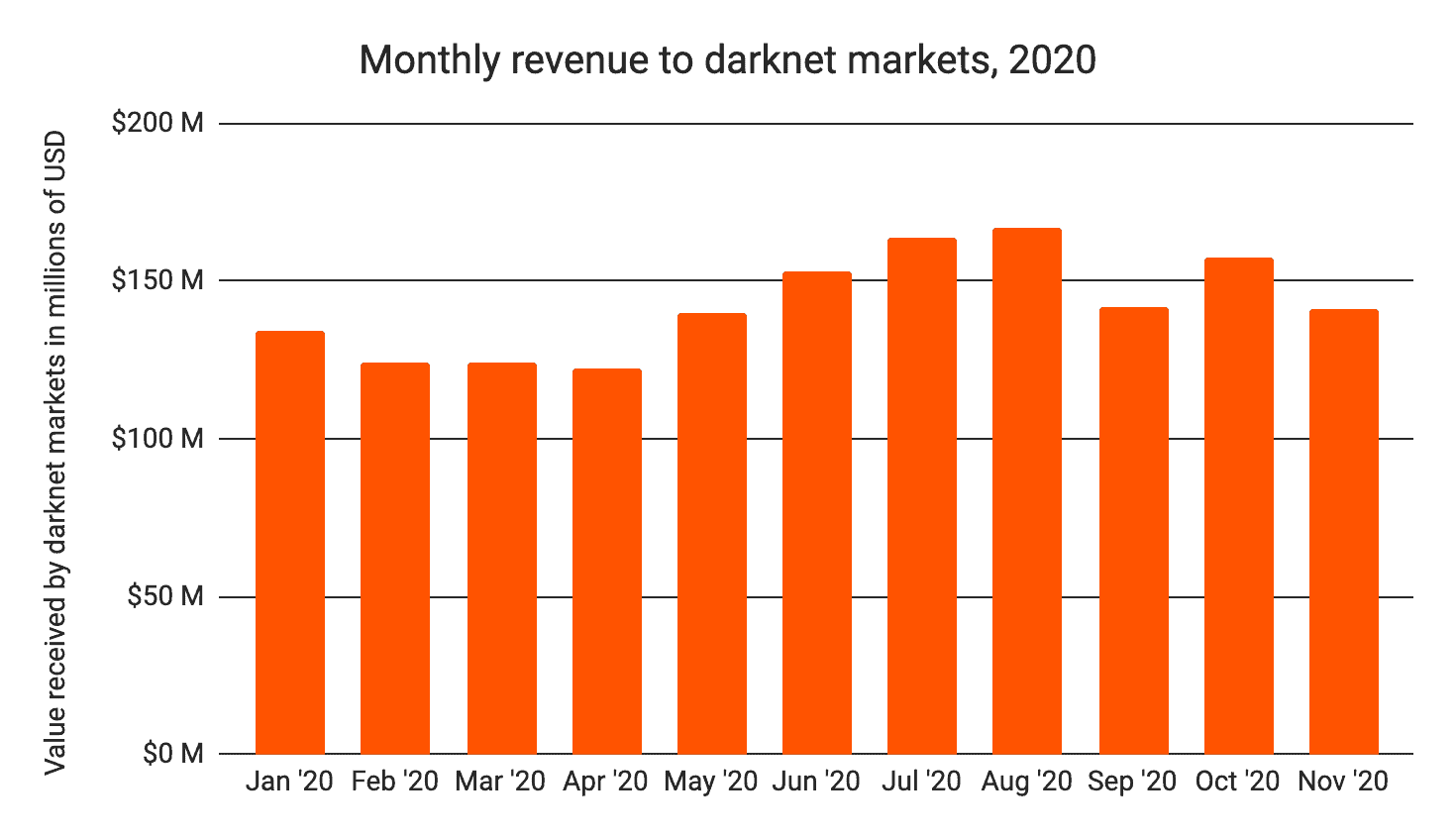
Dark web marketplaces operate on a special economic framework that confronts conventional concepts of commerce. They offer a venue for buyers and vendors to engage in transactions while maintaining a degree of privacy that is invaluable in a space often dominated by illicit activities. Cryptocurrencies, particularly cryptocurrency, are the main means of transactions, providing a level of pseudonymity that attracts individuals seeking to evade financial scrutiny. This creates an environment where demand and supply are dictated by the particular products and offerings available, ranging from illegal drugs to forged products and hacking services.
The competitive landscape of darknet markets fuels an continuous dynamic of pricing strategies. Sellers often participate in a race to the bottom to attract customers, leading to price volatility based on supply and seller reputation. Positive reviews and positive feedback systems play a vital role in a seller's success, as trustworthy sellers command premium prices for their goods. This emphasis on trust leads to a unique economy where reviews and ratings, in the form of ratings and feedback, is as valuable as the merchandise being sold.
Additionally, the economies of darknet markets are marked by endurance and flexibility. Despite the efforts of law enforcement to shut down these markets, new markets frequently arise to take their place left behind. This continual turnover creates a sense of changeability, where market trends shift quickly and new offerings can shift the focus in a matter of days. As a result, darknet markets illustrate the intricacy of financial dynamics in an unregulated environment, illustrating how supply and demand can change in the shadows while reflecting broader societal responses to illegal activities and the pursuit of personal sovereignty.
Risks and Legal Consequences
Engaging with the dark web carries significant dangers for users, both private and monetary. One of the primary dangers is the existence of scams and dishonest sellers. Many sellers operate with impunity, making it simple for unsuspecting buyers to lose their money without receiving the promised products. Additionally, the dark web is filled with malware, which can jeopardize security and lead to identity theft if users inadvertently download harmful programs while navigating these markets.
The legal implications of accessing the dark web can be harsh. Law enforcement agencies around the world are more frequently surveilling dark web activity, and people caught buying illegal items or services can face serious criminal charges. Even mere possession of specific digital goods obtained from these markets may result in legal trouble. It is essential for individuals to be aware of the laws surrounding their actions, as ignorance is not typically accepted as a justifiable excuse in court.
Furthermore, being engaged in darkweb transactions can expose users to risks beyond legal issues. Individuals may become targets of hacking or targeted violence, as some dealings can involve dangerous materials or illegal activities. The privacy promised by darkweb platforms can create a false sense of security, but it is important to understand that revealing personal information, even inadvertently, can lead to dire consequences. As such, individuals considering exploration of these markets should weigh the potential dangers cautiously.